Choosing between the various tap styles available can be a daunting task. To help simplify the process, we have put together this comprehensive guide to bath and basin taps.
Selecting the right taps is an important decision, as they can significantly influence the overall look and feel of a bathroom. This guide covers everything from the different types of bath and basin taps to the number of tap holes required, helping you make an informed choice – and perhaps even find the ideal tap for your bathroom.
What Is the Difference Between Bath and Basin Taps?
One of the first distinctions to understand is that taps are designed specifically for either baths or basins. While some designs may appear interchangeable, there are important reasons to select from the correct range. Hole and thread sizes differ between bath and basin taps, as do the connectors used to link the tap to the water supply and to the fixture itself, reflecting a degree of standardisation across the industry.
Unless you have specialist plumbing expertise, we would strongly recommend selecting taps designed specifically for your bath or basin, in order to avoid complications during installation.
Tap Hole Types: What You Need to Know
For baths and basins supplied with pre-drilled tap holes, the number of holes present will determine which taps are compatible. A basin with a single pre-drilled hole, for instance, will only accommodate a single-hole tap design.
If your bath or basin does not have pre-drilled holes, you will have greater flexibility in your choice of tap. However, certain styles — such as wall-mounted or floor-standing taps — may still be unsuitable depending on your bathroom’s plumbing configuration.
It may help to think of tap holes as points of connection between the tap and the fixture; considering this in advance will help you avoid purchasing an incompatible design.
Taps are typically available in one, two, three or four-hole configurations, and each configuration offers a wide range of design options.
Types of Bath Taps
The type of bath tap best suited to your bathroom will largely depend on the style of bath you choose. Certain bath designs — bateau baths, for example — cannot be drilled, which rules out deck-mounted taps as an option.
The layout and plumbing of your bathroom may also favour one tap type over another. In a smaller bathroom, for instance, floor-mounted taps are unlikely to be the most practical choice compared with more compact alternatives.
There are five types of bath tap commonly found in UK homes:
- Floor-mounted – fixed to the bathroom floor
- Deck-mounted – fixed to the bath itself
- Wall-mounted – fixed to the wall beside the bath
- Shower mixers – incorporating an attached shower head
- Bath spouts – luxury bath-filling taps
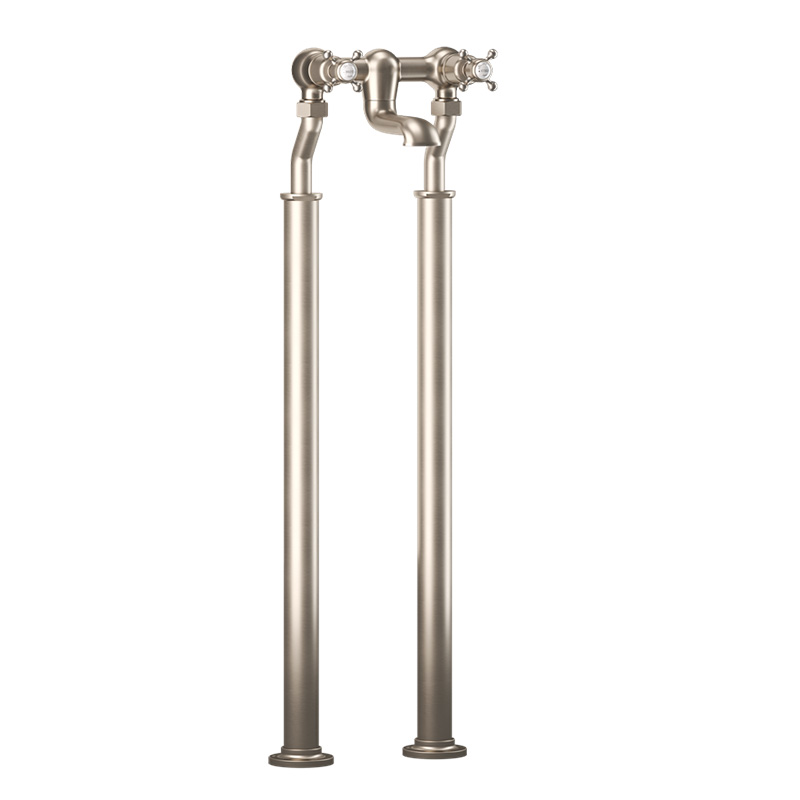
Floor-Mounted Bath Taps
Floor-mounted taps are distinctive for openly displaying their pipework, having moved away from the traditional preference for concealed plumbing. As the name suggests, these taps are fixed directly to the floor. Also referred to as freestanding taps, they are particularly well suited to freestanding baths in larger bathrooms with sufficient surrounding space. A key advantage of this style is that it allows the bath to be positioned away from a wall, provided the plumbing can be extended to the desired location. This offers greater design flexibility, removing the need to position the bath against a wall or to select a bath with pre-drilled tap holes – an important consideration for tubs such as roll-top baths, which cannot accommodate them.
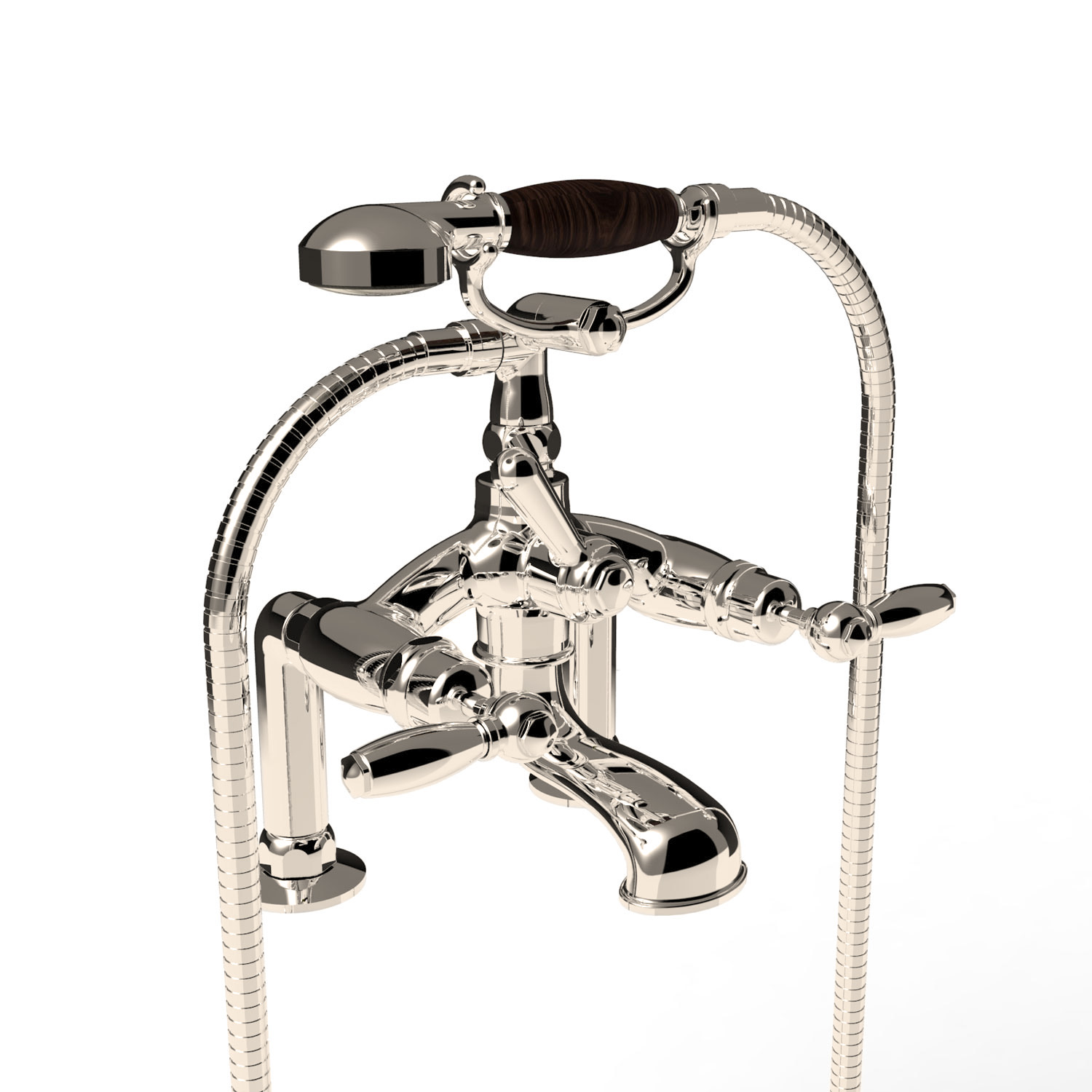
Deck-Mounted Bath Taps
Deck-mounted taps are fitted directly to the surface of the bath, making pre-drilled tap holes an essential requirement. This is the classic configuration most people picture when they think of a bathtub with taps. Though sometimes considered a traditional style, deck-mounted taps are available in a wide range of designs and can be positioned at the tap end or centrally along the bath, depending on the tub style. Deck-mounted taps are the most common type found in UK homes, as they conceal the pipework behind or beneath the bath and do not require specialist plumbing work.
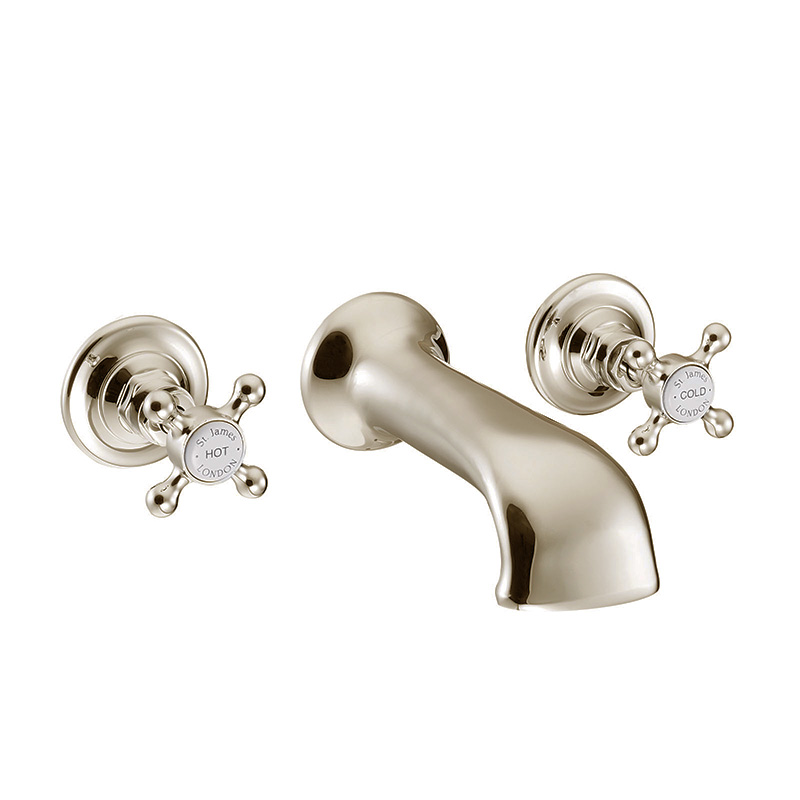
Wall-Mounted Bath Taps
Wall-mounted taps are fixed to the wall, concealing the pipework behind the tiling. This makes them a popular choice for those seeking a minimalist, contemporary bathroom design. These taps are well suited to baths without pre-drilled holes, as they are mounted above the bath rather than directly onto it. It is worth noting, however, that repairs can be more complex when pipework is enclosed within the wall. Wall-mounted bath taps are typically supplied as mixer taps, featuring a single spout and two separate controls.
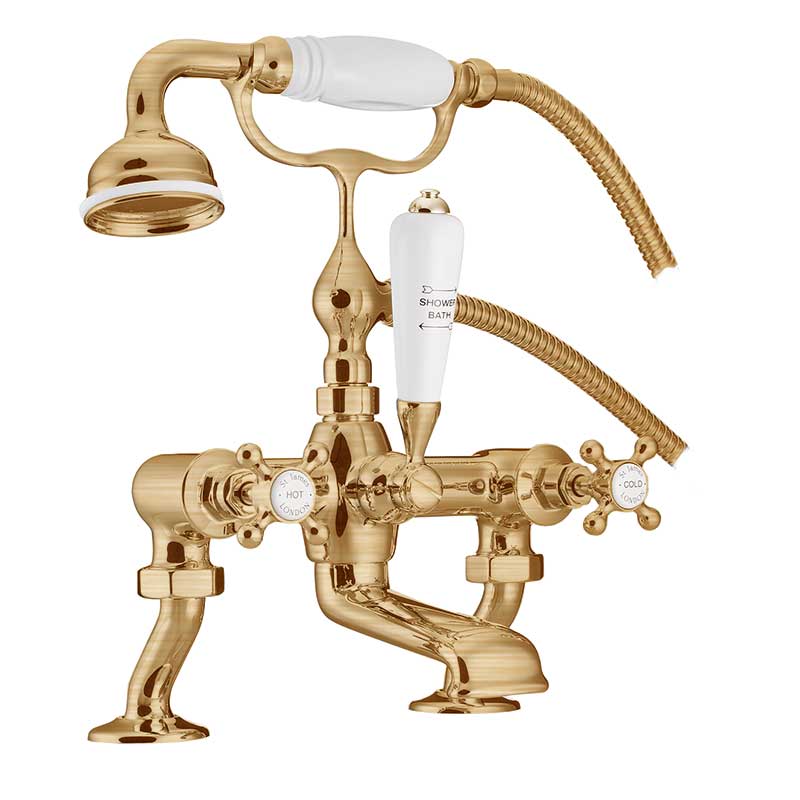
Bath Shower Mixer Taps
Bath shower mixer taps combine a bath filler with a handheld shower head that extends from the tap, functioning as an in-bath shower attachment. As an alternative to a fully installed overhead shower, these mixer taps are a popular solution in UK households where space is limited but both a bath and shower are required. This style is available in both deck-mounted and floor-mounted formats, depending on the requirements of the bathroom. While stylish and practical for baths, this design is not suitable for use with basins.
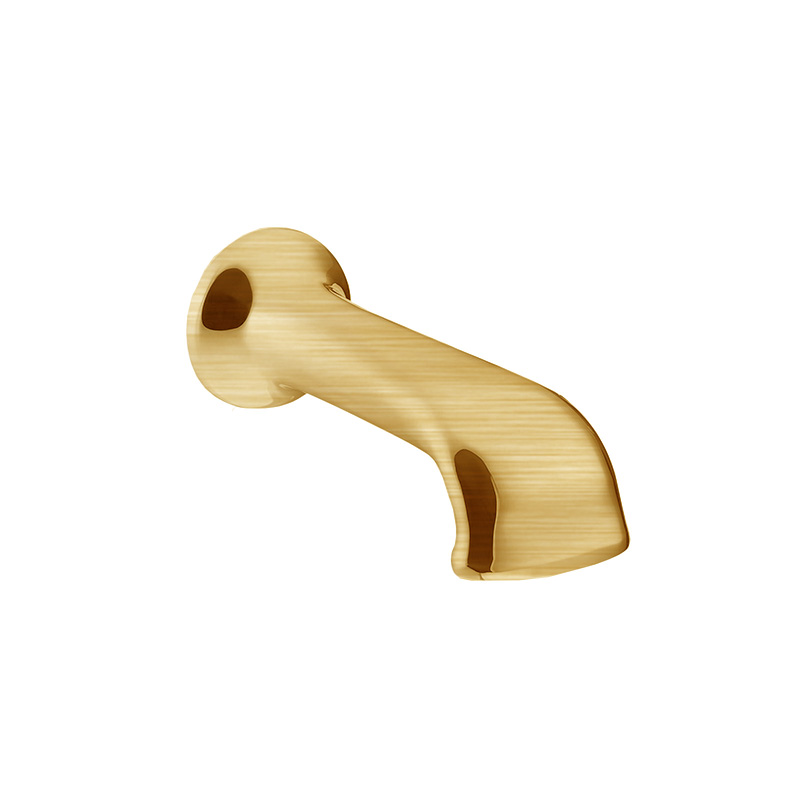
Bath Spouts
Bath spouts are often the style most associated with a luxurious, well-designed bathroom. Controlled by separate taps positioned nearby, bath spouts are typically wall-mounted and can be purchased with or without accompanying mixer taps.
They offer an elegant finishing touch and are particularly well suited to baths that cannot be drilled, such as freestanding and roll-top designs. Modern yet timeless, bath spouts can add a distinctive, high-end feel to any bathroom design.
Types of Basin Taps
As with bath taps, the right basin tap will depend on your bathroom’s overall style. That said, practicality should be considered alongside aesthetics — for example, a long spout may look striking but could result in water splashing beyond the basin.
There are three types of basin tap most commonly found in UK homes:
- Mixer taps — combine hot and cold water within a single spout to regulate temperature
- Pillar taps — feature two separate spouts for hot and cold water
- Wall-mounted taps — fixed to the wall behind the basin
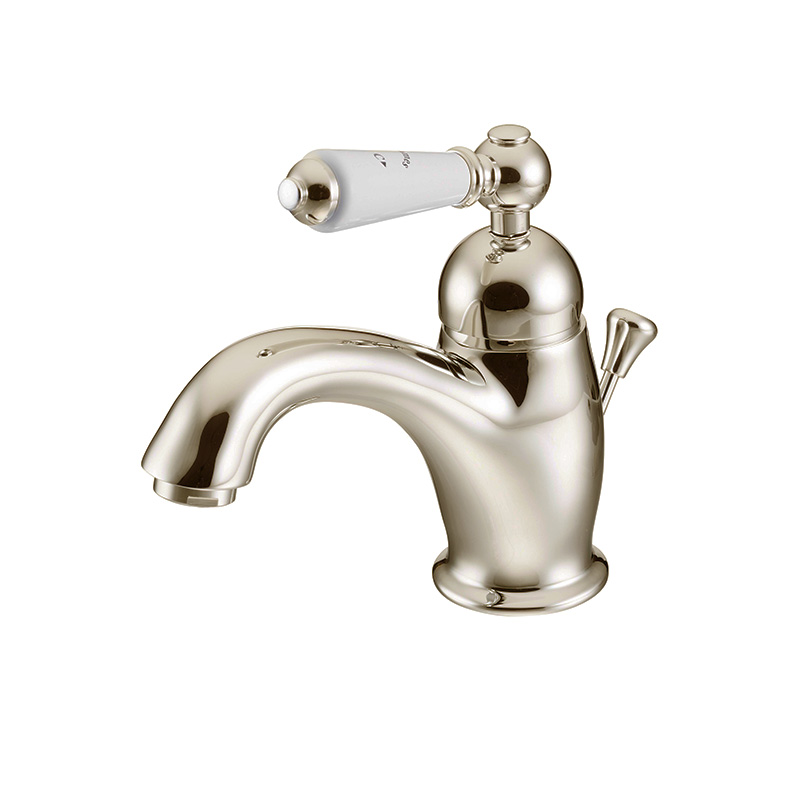
Mixer Basin Taps
Mixer taps are the most popular style of basin tap, blending hot and cold water within a single spout to allow for easier temperature control. Some basin mixer taps feature a single lever that controls both temperature and flow; these are known as mono or monobloc taps and are a practical option in households where a separate hot tap could pose a safety concern.
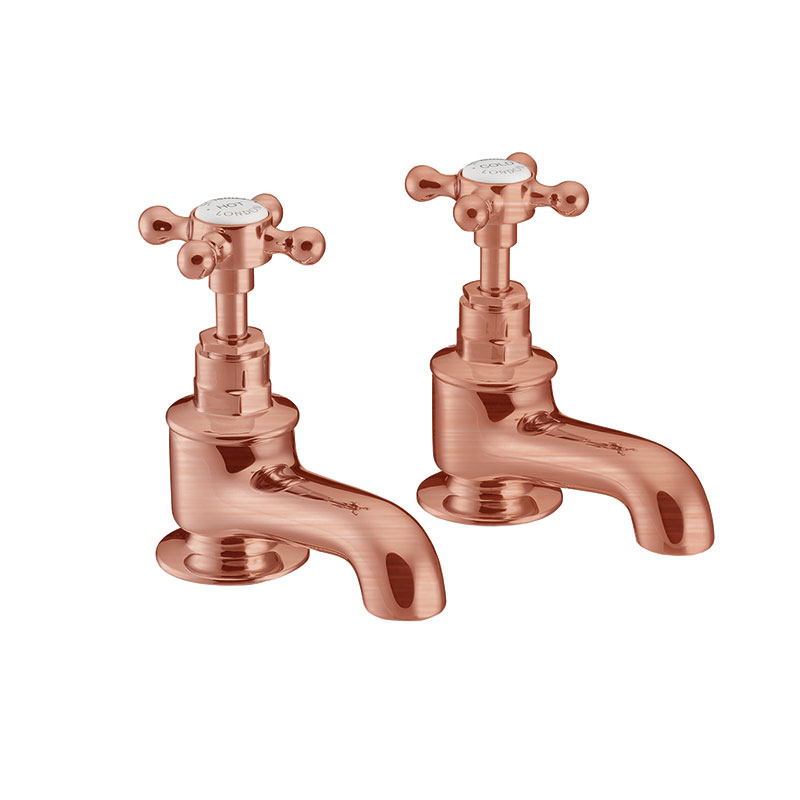
Pillar Basin Taps
Pillar taps consist of two separate spouts, a design that can seem unusual to visitors from abroad, given that hot and cold water are dispensed from different taps.
Pillar basin taps are available in both short and long spout styles and are particularly well suited to more traditional bathroom designs.
Wall-Mounted Basin Taps
Much like their bath tap counterparts, wall-mounted basin taps are fixed to the wall behind the sink, lending a sophisticated finish to any bathroom.
As with wall-mounted bath taps, one consideration is that repairs can be more difficult to carry out, given the pipework’s position behind the wall — a factor worth bearing in mind before installation.
Before Buying Bathroom Taps
Before purchasing new bathroom taps, it is worth considering the following points to ensure you select the most suitable option for your bathroom and avoid any unnecessary expense or delay:
- Finish — Options such as gold, nickel, oil-rubbed bronze, antique brass and polished chrome are all popular choices, though some finishes are easier to maintain than others and may suit certain bathroom designs better.
- Water pressure — As noted above, pillar taps are often recommended in properties with lower water pressure, and other tap styles may have a minimum pressure requirement to consider.
- Tap hole configuration — As discussed throughout this guide, the number of pre-drilled holes in your bath or basin will determine which taps are compatible, so it is worth confirming this before making a final decision.
- Waste fitting — All bath and basin taps require a suitable waste fitting to drain water away. Common options include click-clack, pop-up, flip and chain-operated wastes, with the most suitable choice often depending on the space available beneath the bath or sink.